
Berber Villages of the High Atlas: Culture, Etiquette & Gîte Life
An authentic guide to traditional Amazigh life in the High Atlas — adobe architecture, walnut irrigation terraces, gîte d’étape homestays, and village cultural etiquette.
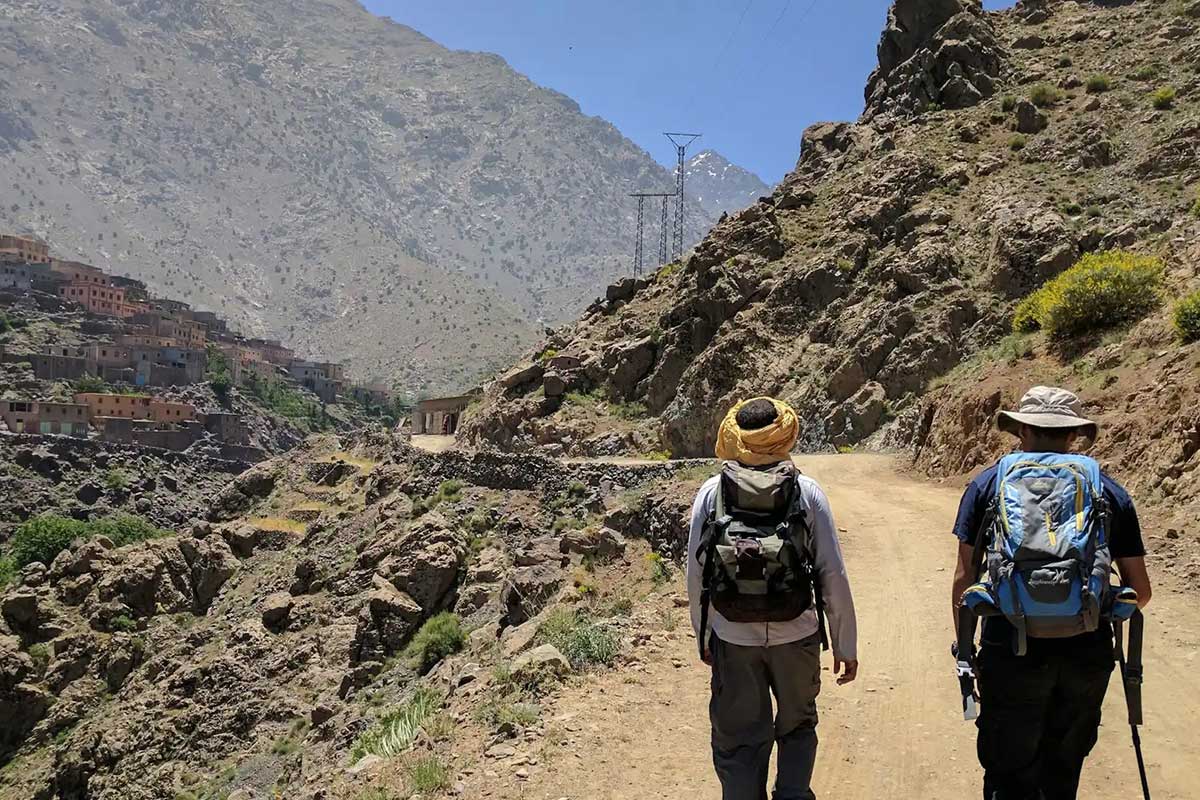
While Mount Toubkal draws mountaineers from across the globe, the soul of the High Atlas resides in its ancient Amazigh (Berber) villages. Clinging precariously to canyon cliffs, surrounded by tiered walnut orchards and emerald barley fields, these communities have thrived for thousands of years in harmonious balance with the harsh mountain landscape.
Amazigh (Free People)
Tashelhit (Shilha) & Darija
Stone & Adobe Terraces
Legendary Tea Welcomes
1. Architecture & The Mountain Ecosystem
Berber villages in the High Atlas (such as Armed at 1,900 m, Tacheddirt at 2,300 m, and Tizi Oussem at 1,850 m) are architectural wonders constructed from stone, clay, and juniper timber. Houses feature flat mud roofs where crops (walnuts, corn, herbs) dry under the sun. An intricate network of gravity-fed stone irrigation channels—called seguias—diverts glacial stream water across terraced slopes to sustain walnut, cherry, and apple orchards.
2. What to Expect in a Village Gîte d’Étape
On our multi-day valley treks (such as the 3 Valleys 3-Day Trek and 4-Day Berber Villages Trek), nights are spent in authentic village gîtes:
- Rooms: Clean, simple private rooms or small dormitories furnished with traditional foam mattresses, colourful Berber wool carpets, and fresh linens.
- Showers & Bathrooms: Western-style toilets and hot showers (gas or solar-heated) are standard.
- Food & Dining: Evenings center around the communal salon. Your private cook prepares multi-course feasts: Moroccan harira soup, piping-hot tagines cooked with local valley vegetables, couscous, freshly baked bread, and seasonal fruit.
3. Cultural Etiquette: Respecting Mountain Customs
- Take Off Your Shoes: Always remove your hiking boots at the doorway before entering carpeted living rooms, gîte salons, or family homes.
- The Tea Ceremony: Refusing offered mint tea is considered impolite. Accept the glass with your right hand; drinking at least two glasses is customary.
- Modest Clothing: Mountain villages are culturally conservative. Keep shoulders and knees covered when walking through village alleys (lightweight trekking trousers and t-shirts with sleeves are ideal; avoid short shorts or crop tops).
- Photography Courtesy: Always ask permission before photographing local people, especially women and elders. If they decline, respect their privacy with a smile.
4. The Weekly Mountain Souk (Asni Saturday Market)
A vital part of Atlas culture is the weekly market. Every Saturday, hundreds of farmers and shepherds from across the high valleys travel by mule to the town of Asni (at the foot of the Imlil road) to trade livestock, fresh produce, spices, carpets, and tools. If your trek begins or ends on a Saturday, a stop at the Asni souk offers an unforgettable glimpse of traditional commerce.
5. Berber Village FAQs
What language do local guides and villagers speak?
The primary language of the High Atlas is Tashelhit (the southern Amazigh language). Most locals also speak Moroccan Arabic (Darija) and French. All Imlil Trek mountain guides speak fluent English, French, Arabic, and Tashelhit.
Can vegetarian or vegan diets be accommodated in village gîtes?
Absolutely! Berber cuisine is naturally rich in fresh vegetables, lentils, chickpeas, and beans. Our mountain cooks prepare delicious vegetarian and vegan tagines, salads, and soups upon request.
Treks this guide helps you plan
Planning Your High Atlas Trek?
All Imlil Trek itineraries are 100% private and all-inclusive: Certified local Mountain Guides, private door-to-door Marrakech riad transfers, all meals, and pack mule support.