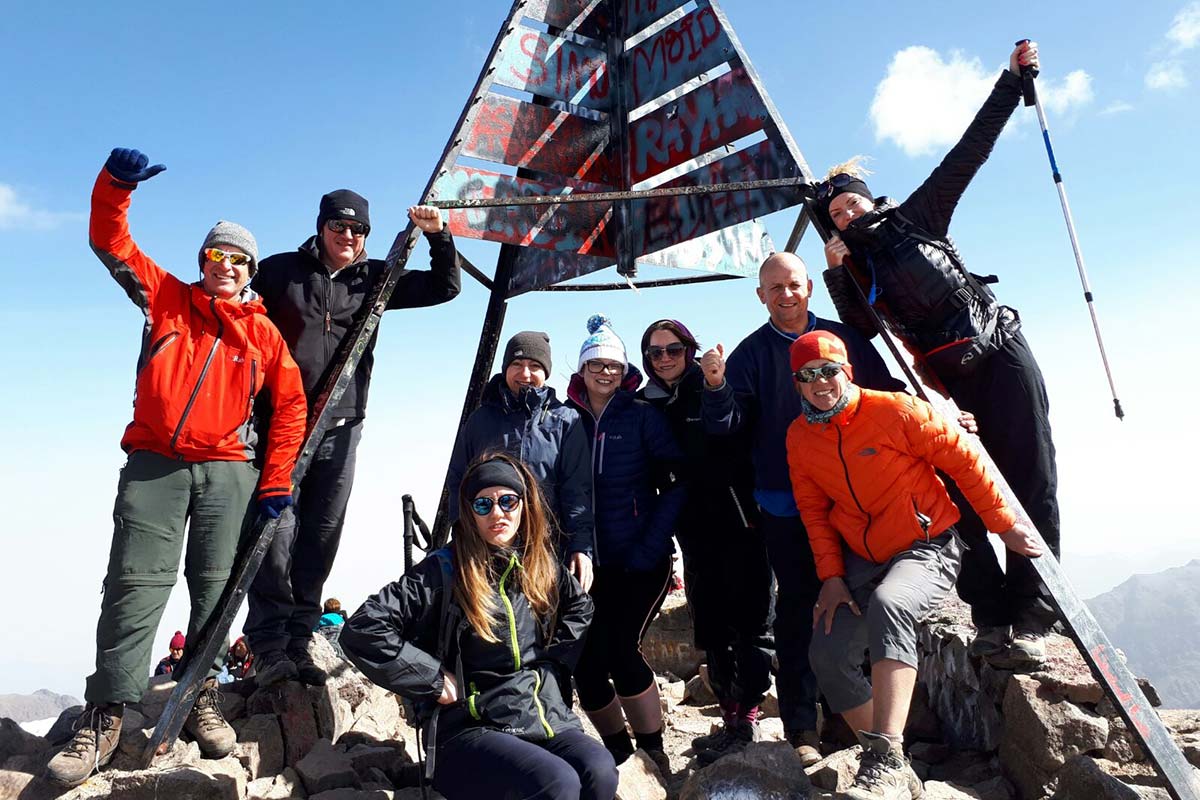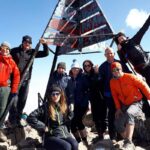
Guided trekking group at the summit of Mount Toubkal, the highest peak in North Africa. The cost of trekking in the Atlas Mountains depends on three things: how long you trek, how many people are in your group, and whether you book a package or organize independently. This guide breaks down every cost component so you can plan with confidence. All-Inclusive Packages (Imlil Trek) The simplest way to trek — everything is included...Read More
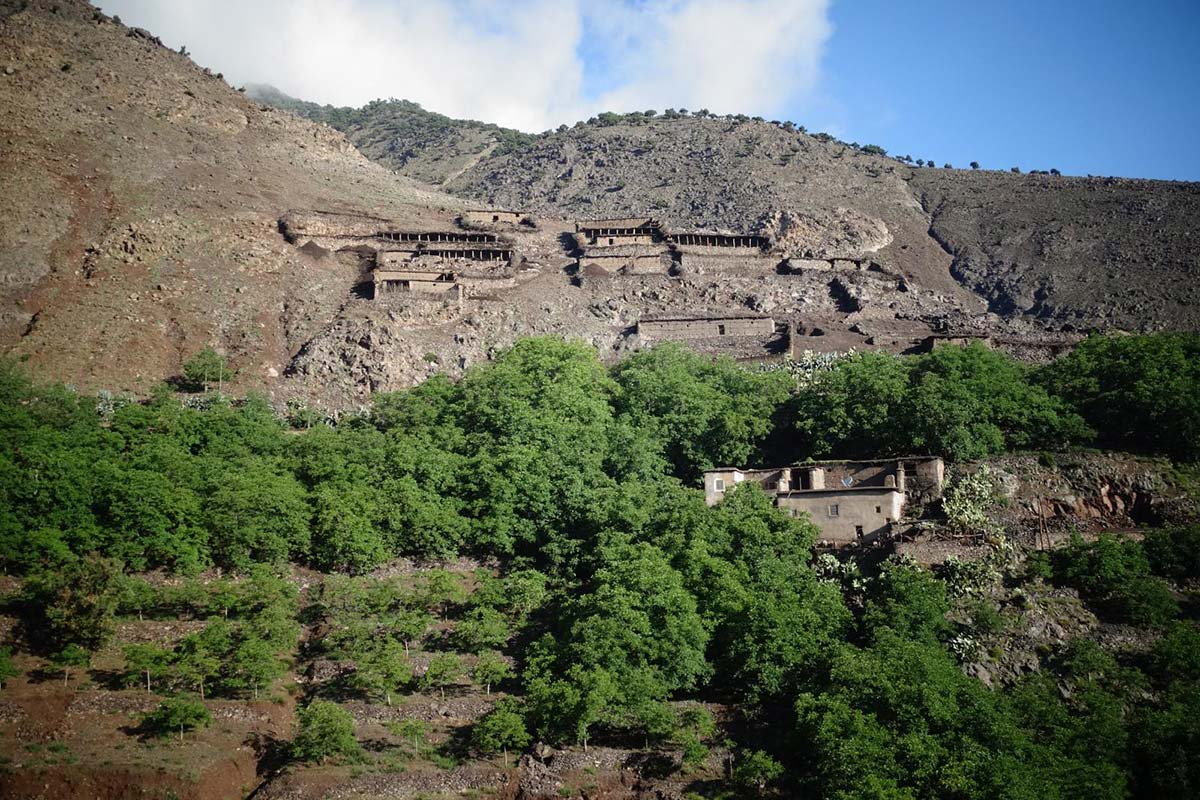
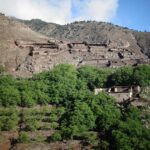
Berber village and orchards in Azzaden Valley. The Azzaden Valley (also spelled Azzadene) is a lush, relatively remote valley running parallel to the Imlil (Ait Mizane) Valley on the western flank of the Toubkal massif. While the standard Toubkal route follows the crowded Ait Mizane Valley directly from Imlil to the refuge, the Azzaden route loops west through this hidden valley — passing the Ighouliden Waterfalls, traditional Berber villages, and juniper forests — before crossing the Aguelzim Pass (3,560 m) to rejoin...Read More
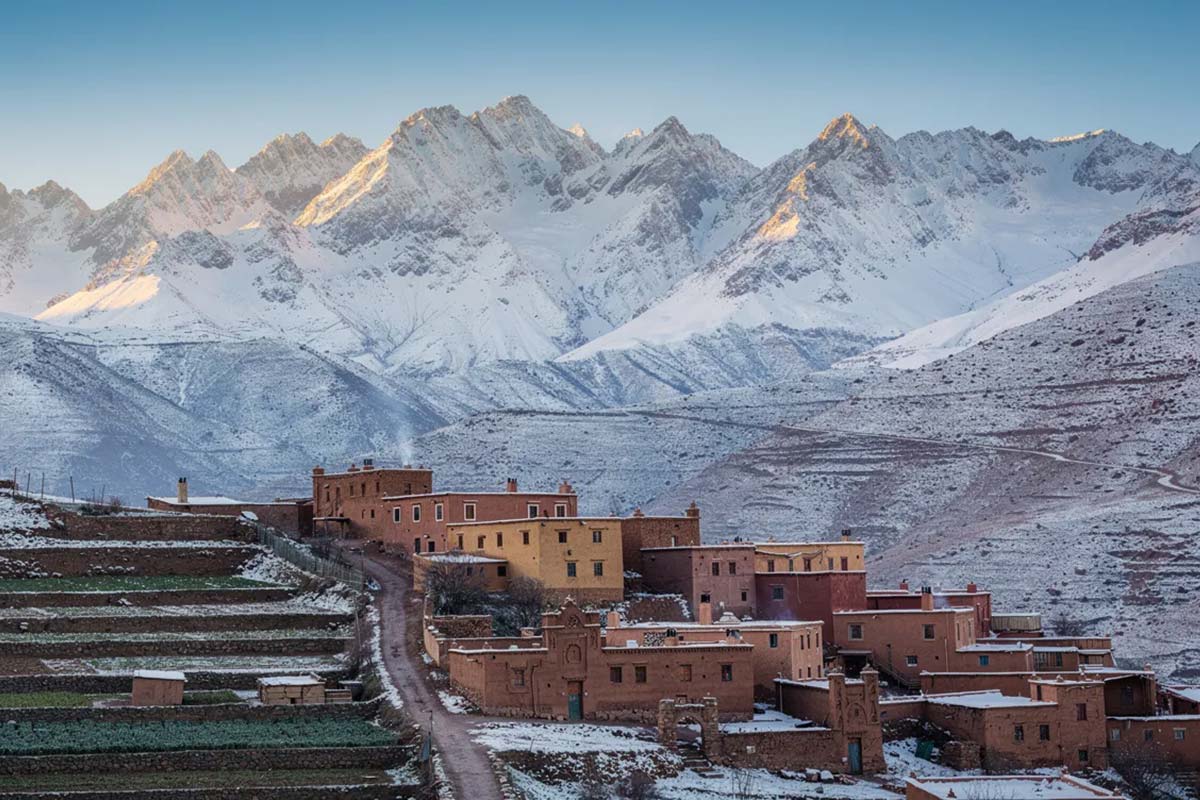
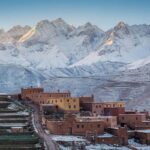
Winter trekking panorama in the High Atlas Mountains near Mount Toubkal. Winter in the Atlas (November–April) transforms the mountains into two distinct worlds. Above 2,500–3,000 m: snow, ice, sub-zero temperatures, and an alpine environment requiring crampons, ice axes, and winter-experienced guides. Below 2,500 m: warm sunny days (15–20°C), cold clear nights, snow-free trails, and some of the most peaceful trekking in Morocco. The key to a great winter Atlas experience is knowing which world...Read More
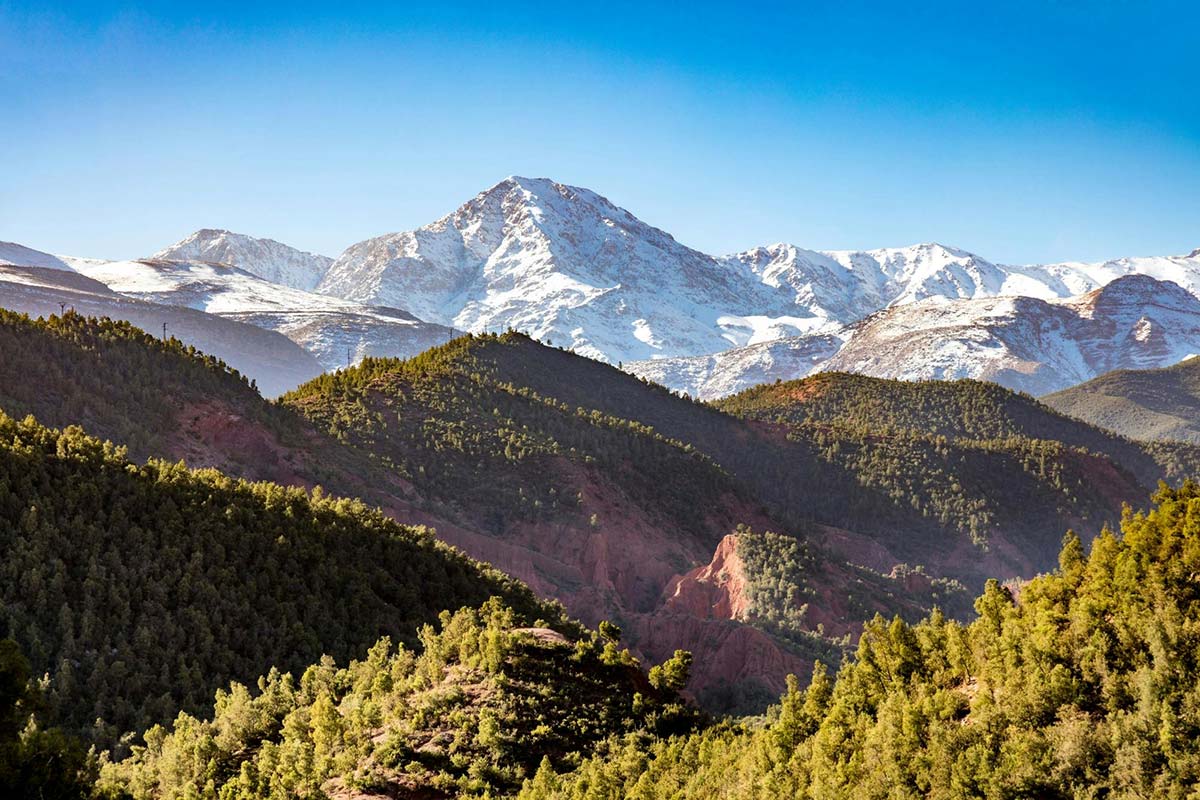
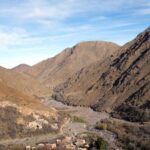
Panoramic view of Morocco’s High Atlas Mountains with snow-capped peaks and valleys. The Atlas Mountains stretch over 2,500 km across Morocco, Algeria, and Tunisia — but the section that draws trekkers from around the world is the High Atlas of Morocco, home to Jebel Toubkal (4,167 m), North Africa’s highest peak. Just 70 km south of Marrakech, the High Atlas offers everything from gentle valley walks through Berber villages to serious alpine ascents — all accessible...Read More
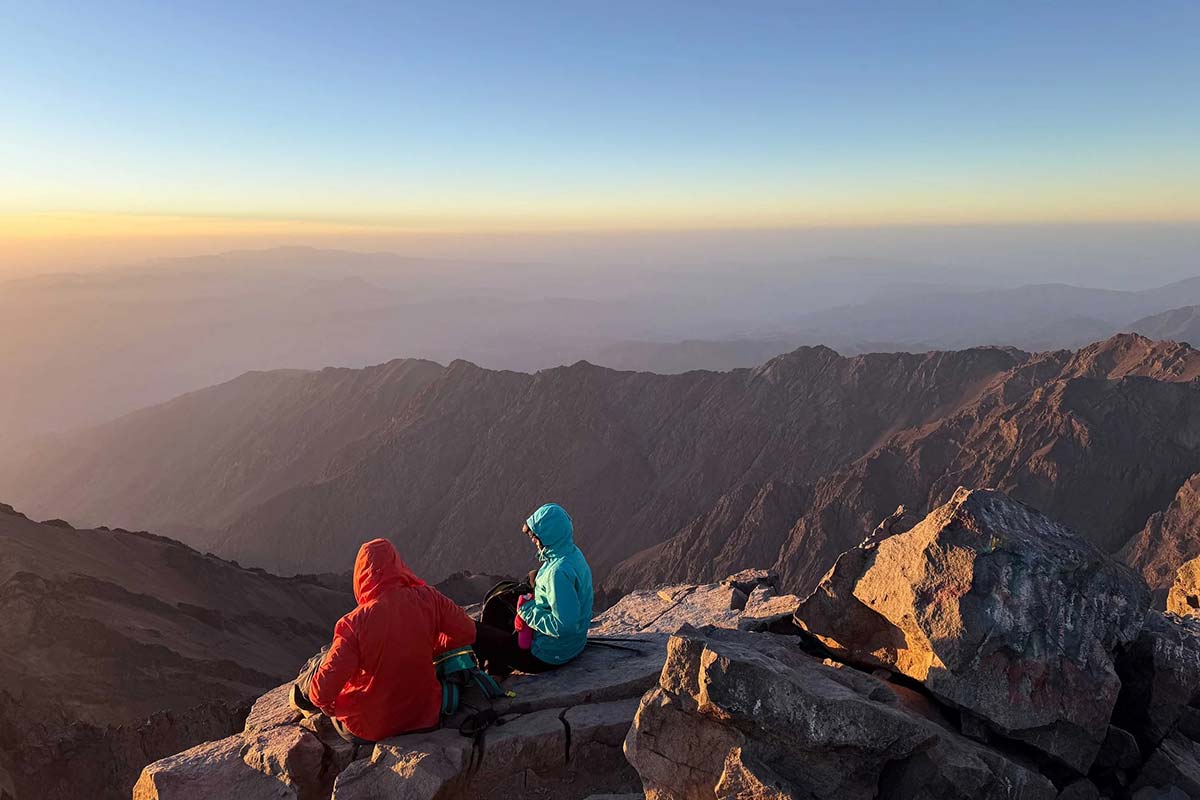
Sunrise views over the High Atlas during a Mount Toubkal summit trek. Altitude sickness (Acute Mountain Sickness / AMS) is the most common health concern on Mount Toubkal (4,167 m). It occurs when your body cannot adapt quickly enough to the reduced oxygen at altitude — at the summit, you’re breathing roughly 60% of the oxygen available at sea level. AMS risk typically begins above 2,500 m, meaning the entire section from the Toubkal Refuge...Read More